A letter to every newly diagnosed parent beginning a journey they never expected. Maybe you’re reading this from your kitchen table after a long day. Maybe you’re sitting in your car outside the allergist’s office. However you found your way here, I want you to know one thing before we go any further: your child is going to be okay, and so are you.
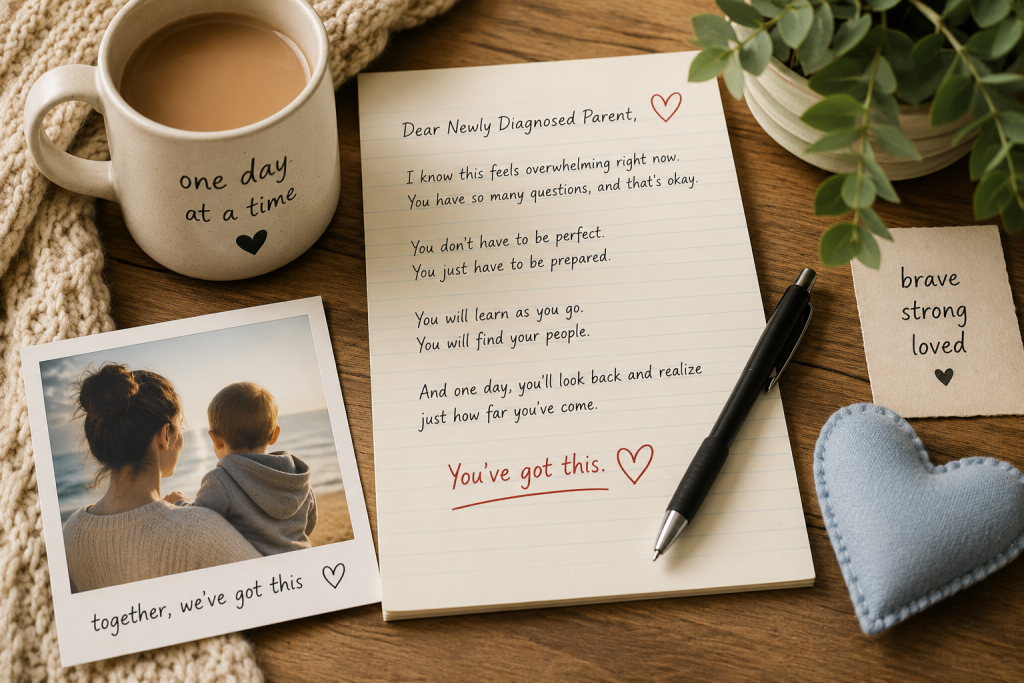
Dear Newly Diagnosed Parent,
If you’re reading this, I’m guessing you’ve recently heard the words no parent ever expects to hear: “Your child has a peanut allergy.”
First, take a deep breath. I want you to know something. You’re going to be okay. And more importantly – Your child is going to be okay.
I know it probably doesn’t feel that way right now. Right now your head is spinning. You’ve just left the allergist’s office carrying prescriptions, emergency action plans, and more questions than answers. You’re wondering if you’ll ever feel confident enough to let someone else watch your child again. You’re mentally replaying every meal you’ve ever served and questioning whether you somehow missed something.
I know that feeling because I sat in that same parking lot years ago. I remember thinking food allergies simply meant avoiding the peanut butter aisle (I mean, how hard is that to do?).
I had no idea I was stepping into an entirely new world. No one told me about ingredient labels. Or cross-contact. Or how many birthday parties would suddenly require phone calls beforehand. Or how I’d eventually celebrate finding a bakery that understood food allergies like I’d won the lottery.
No one told me any of that. So let me tell you what I wish someone had told me that:
- I didn’t have to become an expert overnight
- Life wasn’t over (far from it)
- One day reading labels would become second nature
- I would find my people
- My child was watching how I responded
One day you’ll realize something, and it will change you:
- You didn’t become fearless. You became prepared.
- You’ll pack the EpiPens without thinking.
- You’ll ask the restaurant questions without apologizing.
- You’ll teach teachers, grandparents, babysitters, and eventually your child how to stay safe.
One day, you’ll discover a confidence you can’t imagine having today. Not because this journey became easier, but because you became stronger. So from one peanut allergy mom to another – welcome.
I’m sorry you had to join this club. But I’m so glad you found us. You’ve got this. And whenever it feels like you don’t – I’ll be right here.
– Becky ❤️
What I Wish Someone Had Told Me
Everything feels overwhelming right now. I know because I’ve been there.
When your child is diagnosed with a peanut allergy, it can feel like the ground shifts beneath your feet. One moment you’re planning lunches and birthday parties like every other parent. The next – you’re carrying an EpiPen everywhere you go, reading every ingredient label, and wondering if your child will ever be truly safe.
I remember leaving the allergist’s office with a stack of papers and a head full of questions. Everyone was kind, but no one really explained what life would look like after we walked out the door. Honestly, I thought it was just as easy as skipping the peanut butter aisle at the grocery store. Boy, was I wrong.
There wasn’t a roadmap for the emotions, the fear, or the million tiny decisions that suddenly became part of everyday life. If I could sit across the table from every newly diagnosed parent with a cup of coffee, these are the things I’d want you to know.
You’re Going to Feel Overwhelmed
The first few days can feel like information overload. You’ll hear words you’ve never heard before – anaphylaxis, cross-contact, oral food challenge, allergen thresholds – and wonder how you’re supposed to remember any of it. You’ll learn how to use an EpiPen. You’ll be handed paperwork, prescriptions, emergency plans, and instructions that somehow all feel equally important.
Then you’ll get in your car and think: “Wait. What just happened?”
You may cry. You may panic every time your child eats. You may question whether you’ll ever feel confident again.
Those feelings don’t mean you’re failing. They mean you’re a parent who suddenly has a tremendous responsibility placed on your shoulders. Take a deep breath. You don’t have to learn everything today.
You Don’t Have to Become an Expert Overnight
One of the biggest mistakes I made was believing I had to know everything immediately. And then freaking out, because the truth is, I realized that I didn’t know what I didn’t know.
Back in 2004, we didn’t have online message boards or social media and Facebook groups full of thousands of allergy parents ready to answer my questions. I felt like I was figuring everything out on my own.
In fact, it would be another eight years before Food Allergy Research & Education (FARE) would form through the 2012 merger of two U.S.-based food allergy patient advocacy organizations: the Food Allergy & Anaphylaxis Network (FAAN) and the Food Allergy Initiative (FAI).
By 2014, a decade after Matthew was diagnosed, Facebook Groups exploded in popularity, making it much easier for people to coordinate and manage private groups where niche communities – including food allergy support groups, shared tips, answered questions, and reminded each other that they weren’t alone.
Today – that support exists – and I hope Peanut Allergy Mom becomes part of that community for you.
Your Life Isn’t Over
Instead of trying to learn everything, focus on the basics first. Learn:
- How to recognize an allergic reaction
- When and how to use an EpiPen
- How to read food labels
- How to communicate your child’s allergy to others
Everything else can come one step at a time. You don’t earn a badge for learning it all in one weekend. After diagnosis, it’s easy to feel like life will never be normal again. Will they ever go to birthday parties? Can they travel? What about school? Sleepovers? Dating someday? College?
Those questions are real, and they’re valid. But here’s what I wish someone had told me: your child can still have an incredible childhood.
It may require more planning. You’ll probably pack more snacks than other parents. You’ll ask more questions at restaurants. You’ll become very familiar with ingredient labels. But you’ll also make memories, take vacations, celebrate birthdays, and watch your child grow into someone who understands how to advocate for themselves.
Life changes, but it doesn’t stop.
You Don’t Have to Do This Alone
One of the hardest parts of a new diagnosis is feeling isolated. Most of your friends won’t understand why you ask so many questions before playdates. Some family members may accidentally minimize the allergy. Teachers, babysitters, and coaches may need extra education.
That can be exhausting. Find people who understand.
Whether that’s another allergy parent, an online community, or a trusted friend who’s willing to learn alongside you, having support makes an enormous difference.
Sometimes you don’t need advice. Sometimes you simply need someone who says, “I’ve been there.”
Progress Is Made One Small Step at a Time
You don’t have to solve every problem this week. Today, maybe you will learn how to read labels. Tomorrow, you organize your pantry. Next week, you meet with your child’s school. The week after that, you practice using the trainer EpiPen.
Little by little, confidence replaces fear.
You’ll eventually notice something surprising. One day, you’ll go to the grocery store and wander the aisles without feeling anxious. You’ll order at a restaurant with confidence. You’ll automatically check ingredients without even thinking about it. Things that seem impossible today will eventually become second nature.
Give Yourself Grace
This diagnosis affects more than your child. It affects you. You may grieve the carefree life you expected. You may replay conversations in your mind wondering if you missed something. And you may worry constantly.
That’s okay. Remember to take care of yourself, too. Ask questions. Accept help. Celebrate small victories. And don’t expect perfection. Even experienced allergy parents make mistakes.
The goal isn’t perfection. The goal is preparation.
You Are More Capable Than You Think
Right now, you may not feel brave. You may not feel confident. You may not feel ready. I didn’t either.
But somewhere between your first grocery trip, your first school meeting, your first restaurant visit, and your hundredth ingredient label, something changes. You begin trusting yourself. You realize you know what questions to ask. You become the expert on your child. And you discover strengths you never knew you had.
Not because you wanted this journey. But because your child needed you.
Welcome to the Community No One Wants to Join
No parent hopes to become part of the food allergy community. But once you’re here, you’ll find something remarkable. You’ll meet parents who celebrate every small victory with you. Who understand why carrying two EpiPens everywhere matters. Who know the relief of finding a safe bakery or the anxiety before the first day of school.
Most importantly, you’ll realize you’re not walking this road alone. If you’re reading this shortly after your child’s diagnosis, I want to leave you with one final thought.
You don’t have to have all the answers today. You only have to take the next step.
Tomorrow you’ll know a little more than you do today. Next month you’ll feel a little more confident. And a year from now, you’ll look back and realize just how far you’ve come. You’ve got this, and whenever it feels like you don’t, this community is here to help you every step of the way.
If you’re still feeling overwhelmed, that’s okay. Let me share a few more things I wish someone had told me during those first days after Matthew’s diagnosis.
❤️ From One Peanut Allergy Mom to Another
Twenty years later, here’s exactly what I’d tell myself if I could walk back into that allergist’s office.
1. Feel whatever you’re feeling. Cry in the car. Call your sister. Eat ice cream. Sit quietly. All of those reactions are normal. You’re grieving the picture you had of “easy.”
2. Fill the EpiPen prescription. Immediately (we didn’t, but that’s another story for another day). Don’t wait until tomorrow because you’ll forget, life will get busy, and you’ll worry about it all night anyway.
3. Learn one thing – not everything. Today, make sure you know when to use an EpiPen. Tomorrow you can learn about food labels. Next week you can learn about restaurants. You don’t have to earn a Ph.D. in food allergies in one afternoon.
4. Don’t throw away your entire kitchen. Seriously. I know it’s tempting. I’ve talked to parents who wanted to empty every cabinet the day they got home. Pause. Deep breath. Figure out exactly what your child needs to avoid before declaring war on your pantry.
5. Start reading labels. At first they’ll look like they were written by attorneys for attorneys – in another language. Eventually you’ll scan them in seconds. It becomes second nature.
6. Find your people. I didn’t find “my people” until Matthew started kindergarten, when he ended up in a class with a little girl who had the same allergies. These are the people who just get it. They’ll answer the questions you’re afraid to ask, celebrate the little victories, and have your back when you can’t be there.
7. Tell the people who matter. Grandparents. Babysitters. Teachers. Close friends. Don’t feel like you have to make a social media announcement. Just make sure the people caring for your child know what to do.
8. Give yourself permission to ask “annoying” questions. You’ll ask restaurant managers about fryers. You’ll ask if cookies were made in the same facility. You’ll ask about birthday cake ingredients. At first, you’ll apologize. Eventually, you’ll stop apologizing. Protecting your child isn’t rude. It’s necessary.
9. Remember your child is watching you. For me, this was as important as carrying an EpiPen. Setting a foundation for calm, confidence and safety was key. Our kids only know what we teach them. Say it again aloud. They only know what we tell them, what we teach them, and what we show them. If you panic over every situation, they’ll learn to panic too. If you prepare, stay calm, and adapt, they’ll learn that food allergies are something to manage – not something that defines them. Confidence is contagious. So is panic.
10. Believe me when I say this gets easier. Not because the allergy disappears. Because you’ll change. You’ll build routines. You’ll find trusted restaurants. You’ll discover safe products. You’ll celebrate finding a bakery that understands cross-contact like other people celebrate new jobs and wedding proposals. And one day, carrying an EpiPen will feel as normal as grabbing your car keys.
Explore Peanut Allergy Mom
Wherever you are in your peanut allergy journey, you’ll find practical advice, trusted resources, printable guides, and real-life encouragement




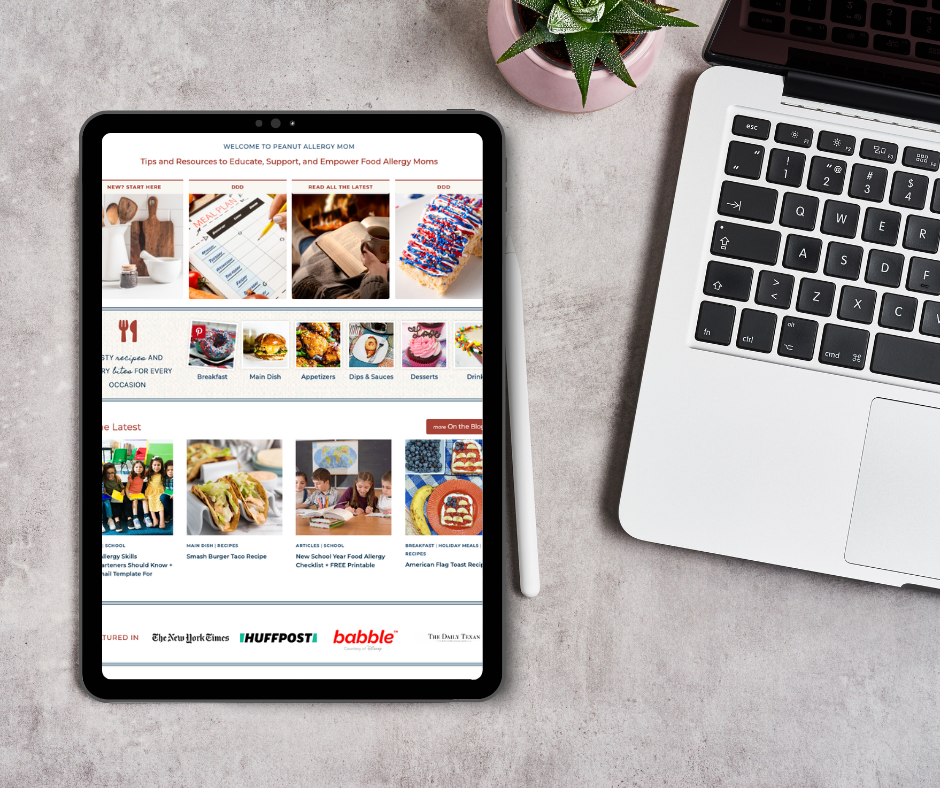



Not sure where to begin? Whether you’re packing a school lunch, planning a Disney vacation, or preparing for college, you’ll find trusted resources to help your family live confidently with peanut allergies.